
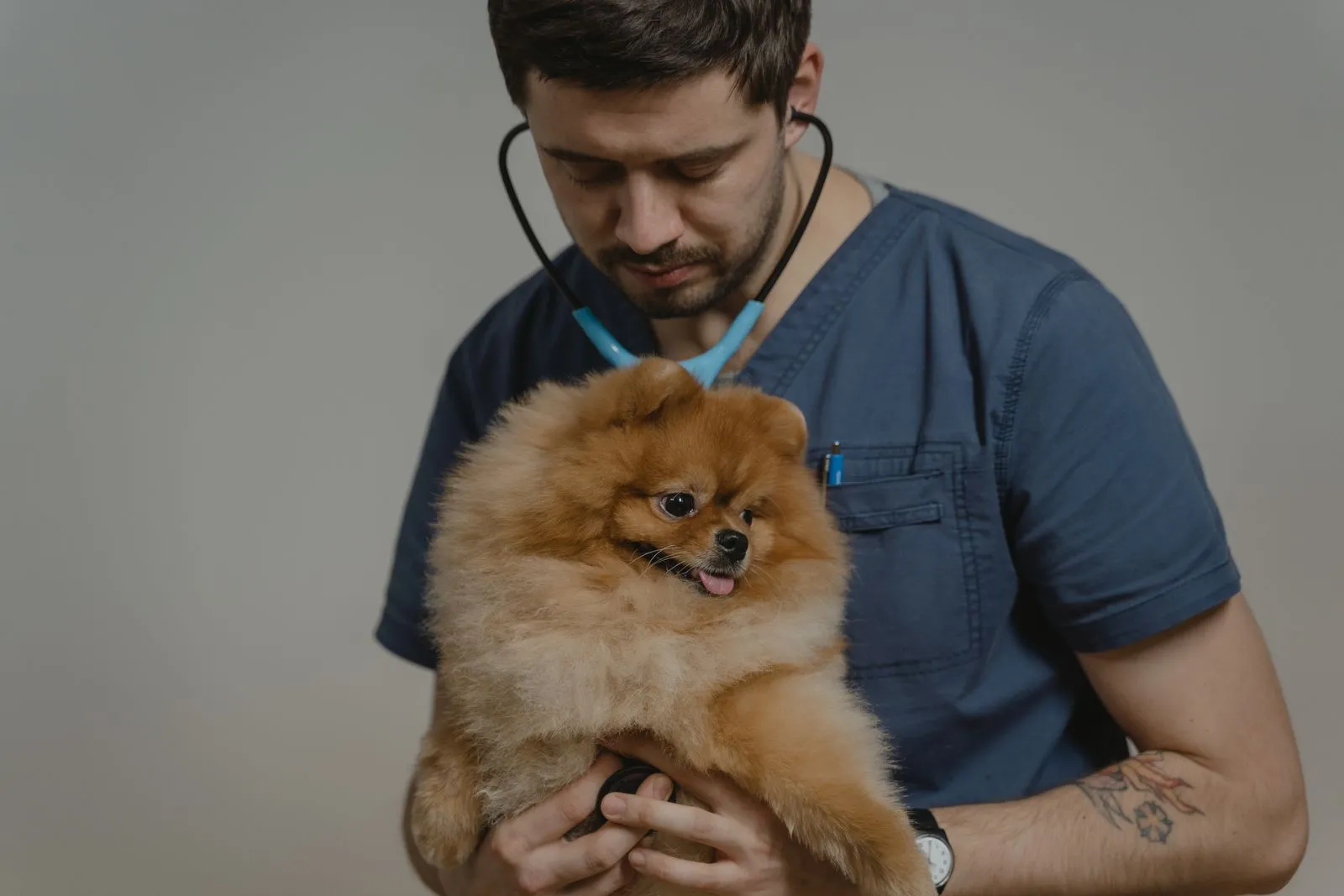
A home veterinary visit can spare your pet the trip to a clinic, but a little preparation helps the appointment go smoothly. Choose a quiet area, have your pet’s health information ready, and think ahead about anything that might cause stress. These steps give the veterinarian room to examine your pet and make it easier to discuss concerns. A calm setup also helps you focus on the care plan instead of searching for records or supplies during the visit.
Choose a quiet examination space
Pick a well-lit room where your pet feels reasonably comfortable and the veterinarian can move around safely. Clear a table or floor area of clutter, and keep other pets and children elsewhere if they might distract or unsettle your pet. For a dog, a familiar mat or bed can provide a comfortable place to settle. For a cat or small animal, use a secure, familiar enclosure or a stable surface as advised by the veterinarian.
Reduce noise before the appointment by turning off televisions and keeping doors and windows closed. Put away food bowls, toys, or items your pet may guard. If your pet tends to hide, block access to hard-to-reach spots ahead of time, while still providing a safe retreat. Avoid forcing your pet into position; let the veterinarian guide handling based on your pet’s behavior and needs.
Gather health details
Collect vaccination records, medication names and doses, and information about previous illnesses, surgeries, or allergies. Include supplements and flea, tick, or heartworm products. If you do not have formal records, write down what you know, including when a medication was last given. Keep packaging nearby when details are unclear so you can show the veterinarian the exact product.
Make a short list of current concerns before the visit. Note when each issue began, how often it happens, and whether anything makes it better or worse. For symptoms such as vomiting, changes in appetite, coughing, or trouble moving, a brief video can help show what you have observed. Mention changes in drinking, urination, behavior, or weight as well.
Prepare your pet and household
Keep your pet’s routine as normal as possible before the appointment. Offer access to water and follow any feeding instructions provided by the veterinary team. Do not withhold food or give calming medication unless the veterinarian specifically advises it. If your pet is nervous around visitors, let the team know in advance and ask how to handle introductions.
Have a leash, carrier, or other safe restraint ready, even for a home visit. Some pets feel more secure when they can remain in a familiar carrier or on a leash. Secure outdoor access, and tell household members when to keep doors closed. If your pet may bite or react strongly to handling, share that information before the visit so the team can plan safely.
Make time for questions
Write down questions about symptoms, preventive care, diet, or medications so you can cover them during the appointment. If more than one person cares for your pet, ask them to share observations in advance or join the conversation. Keep a pen or phone handy to record instructions, follow-up steps, and any changes to medication or daily care.
After the examination, confirm what to watch for and when to contact the veterinary team. Ask how and when you will receive test results, if testing is needed, and whether a follow-up visit should be scheduled. Before the veterinarian leaves, repeat any important instructions in your own words to make sure you understand the plan.
A quiet room, organized health information, and a few minutes of planning can make an in-home appointment more comfortable for your pet and more productive for you. Prepare your questions and share any handling concerns before the visit. Contact Providence Pet Vet to ask what to have ready for your pet’s appointment.